Mission to Share
The Magic of the Ocean
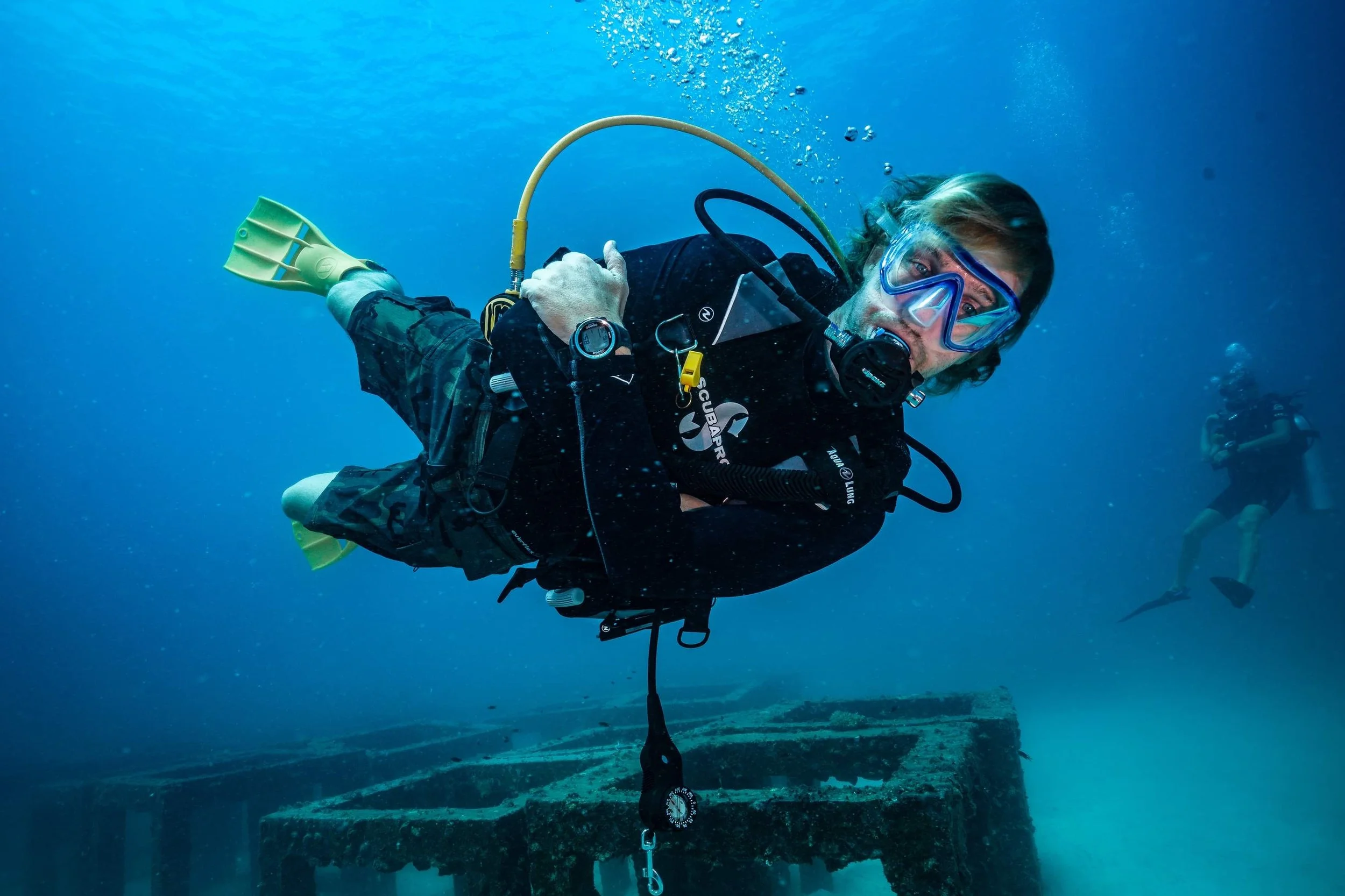
The idea for Immersive Blue wasn’t born in a boardroom; it was born at depth, surrounded by the weightless blue of the ocean. For years, I had been a lover of the sea, diving into a world that felt fundamentally different from the one above.
Underwater, time doesn’t just slow down—it transforms. It is a state of instant meditation. Your heartbeat slows, the chaos of the surface fades into a rhythmic, bubbly silence, and you are left with the sheer elegance of marine life. The way a ray glides or a reef pulses with diverse, vibrant life is truly unique.
I felt a profound need to share this. Not just to show a video of it, but to share the feeling of it: the calmness, the scale, and the breathtaking diversity of the environment. The mission came first: to perfect the capability of sharing with the entire world exactly what it is like to be on a reef. Technology was never the goal; it was the enabler. When the mission was defined, I didn’t even know VR existed as a viable medium. But as a seasoned technologist, once I discovered Virtual Reality, the path was set. It was the only technology capable of translating the soul of the ocean to the surface.
The Artistic & Technical Frontier
I quickly realized why nobody was doing this: it is extremely difficult and traditionally prohibitively expensive. At the time, there were only two ends of the spectrum. On one side was low-quality consumer content that failed to capture the magic. On the other side were massive initiatives by the world’s largest production houses.
Those high-end productions cost millions of dollars. Their rigs were so heavy you needed a crane to get them off the boat and a small army of engineers to operate them. I knew that for this mission to truly succeed, I had to make it affordable and accessible.
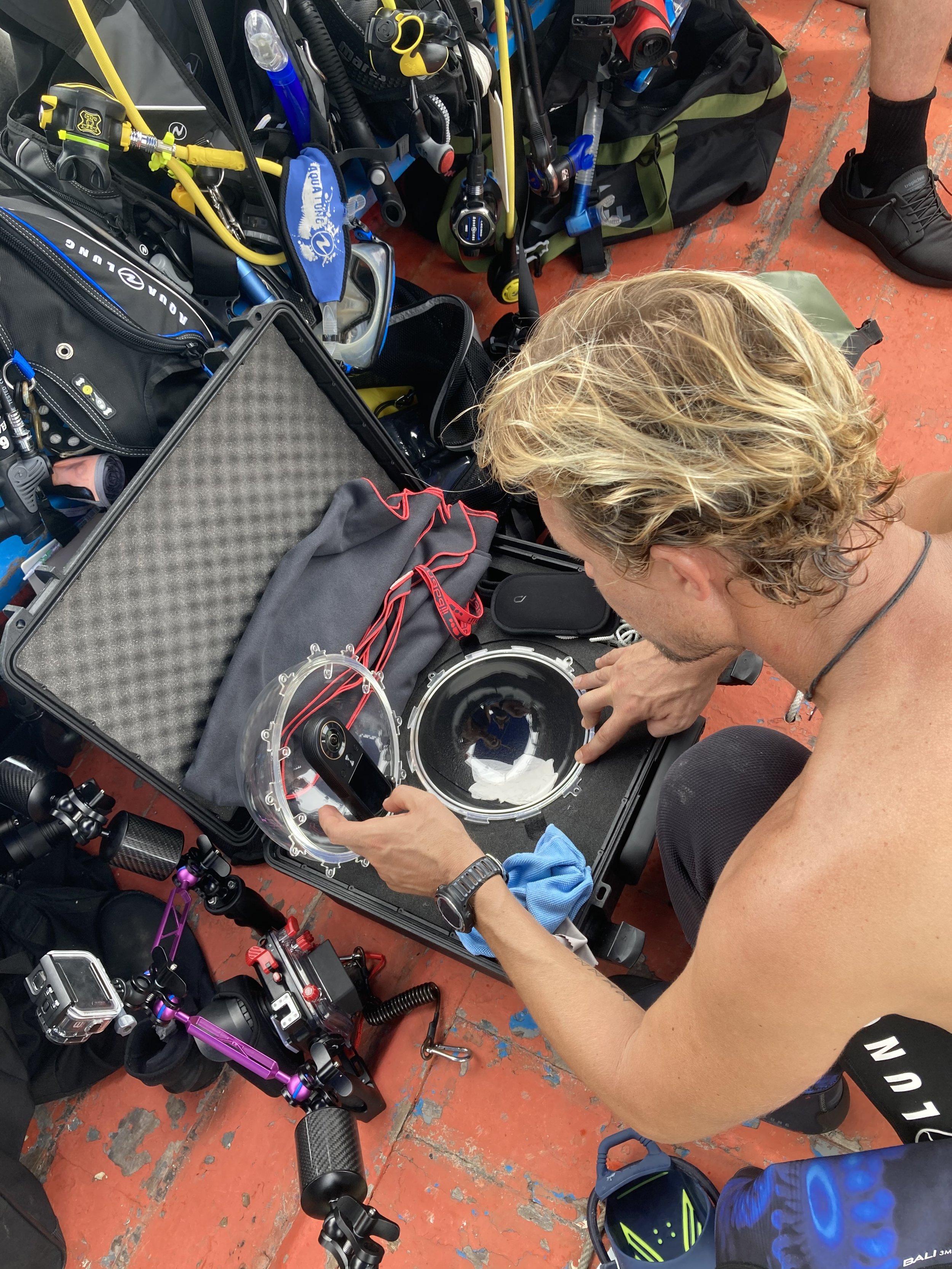
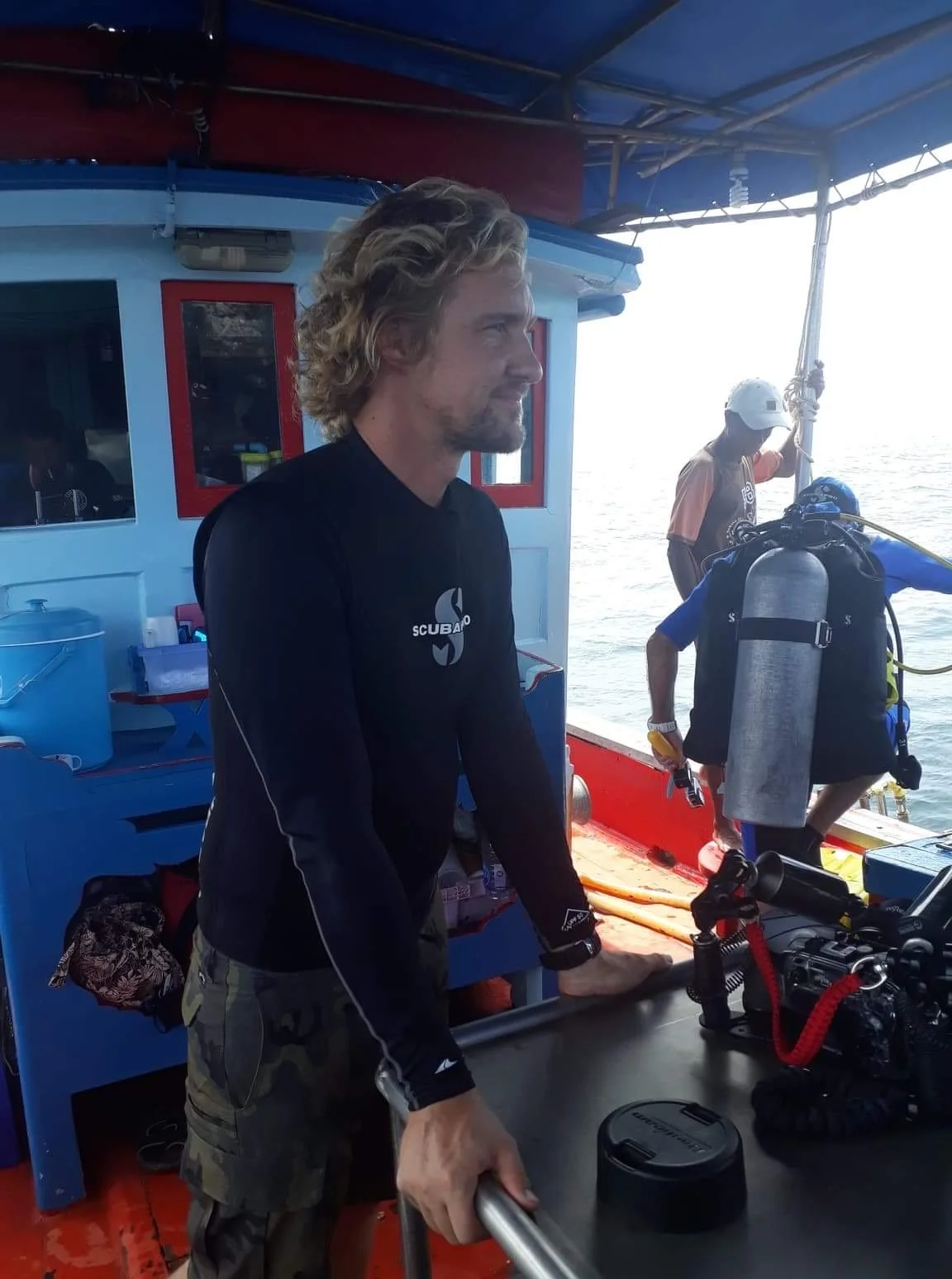
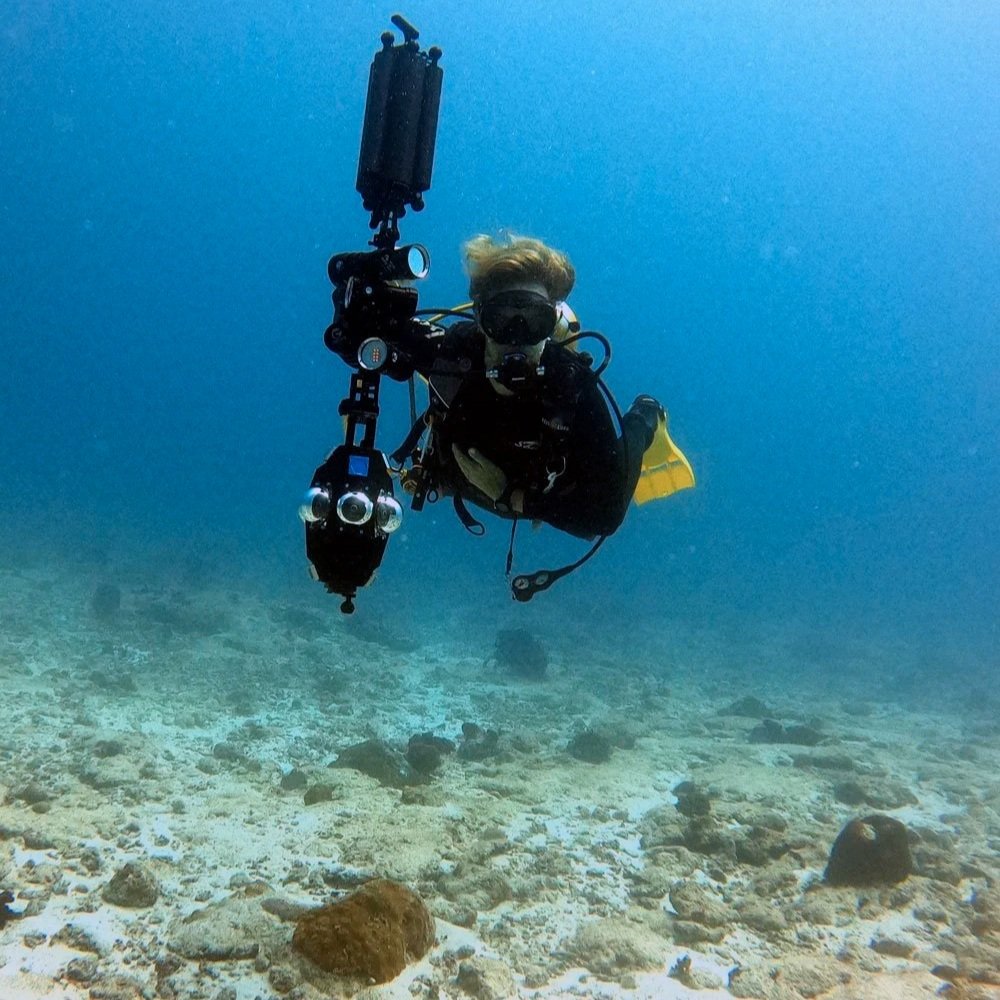
I set out to build a capability that was optimized and lightweight, but the challenge was far greater than just the gear. I had to build the hardware, the skill, and the art all at once. My goal was radical: everything needed to be operated and transported by one single person, a “solo-expert” execution consisting of me, my gear, and a local guide. Because there was no one to learn from and no existing roadmap for this specific environment, trial and error became my only teacher.
The Iterative Grind
To succeed, I knew I couldn’t do this from an office. I needed to iterate at a pace that only proximity to the reef could provide. I moved to a small island centered around diving, putting myself in a position where the ocean was my laboratory, My life became a relentless cycle:
Mornings: Jump on a boat with the latest experimental rig to test new capture techniques.
Afternoons: Review the results, analyzing every imperfection
Evenings: Fix the mistakes, and rebuild the equipment for the next day.
I was my own most demanding critic. This journey was about building a capability, not just the hardware or logistics, but also the art. Beyond the hardware, I had to learn the language of uinderwater VR for the consumer, discovering what worked and what didn’t through a thousands experiments. I had to master how to light a scene, how close to be to a subject for the best stereoscopic effect, and when to move versus when to stay static. I had to learn how to anticipate marine life behavior to capture it perfectly. However, after years of investing my life savings into this craft, I reached a point of technical perfection, but I had no income, no customers, and no business strategy. I had a world-class skill that the market didn’t yet know it needed.
Blueprint of the Impossible
What emerged from those years of isolation wasn’t just a high-quality product; it was a complete, end-to-end methodology. I hadn’t just learned how to film; I had industrialized the entire process of underwater VR production.
I had developed a deep understanding of the variables that dictate success or failure in the ocean. I knew exactly which equipment would break under the pressure of extreme remote environments and, more importantly, exactly what tools and spares I needed to bring to fix them on the fly.
This methodology covered every phase:
Pre-production – The success of the production depends the knowledge of everything that can go wrong, and mitigating the risk
Production – Developing a unique set of rules specifically designed to optimise for user ewxperience and post-production efficency.
Post-production – A proprietary pipeline of software and techniques designed to spit out a flawless, immersive product in a repeatable, industrialized way.
I had optimized every single step. I didn’t just have a unique skill; I had a robust, battle-tested system designed for the most demanding environments on Earth.
The First Horizon
I began showing my work to everyone I met, speaking openly about the potential of immersive ocean experiences. The reaction was always the same: absolute awe. People didn’t just watch the content; they felt like they had been transported.
The breakthrough came through a friend who owned a local dive shop. He saw the power of the medium and offered to sponsor a full production. He wanted to document his major dive sites so he could showcase them at international trade shows. Because I had optimized my equipment for portability and cost, I could deliver a world-class production without the “million-dollar” price tag of a major studio.
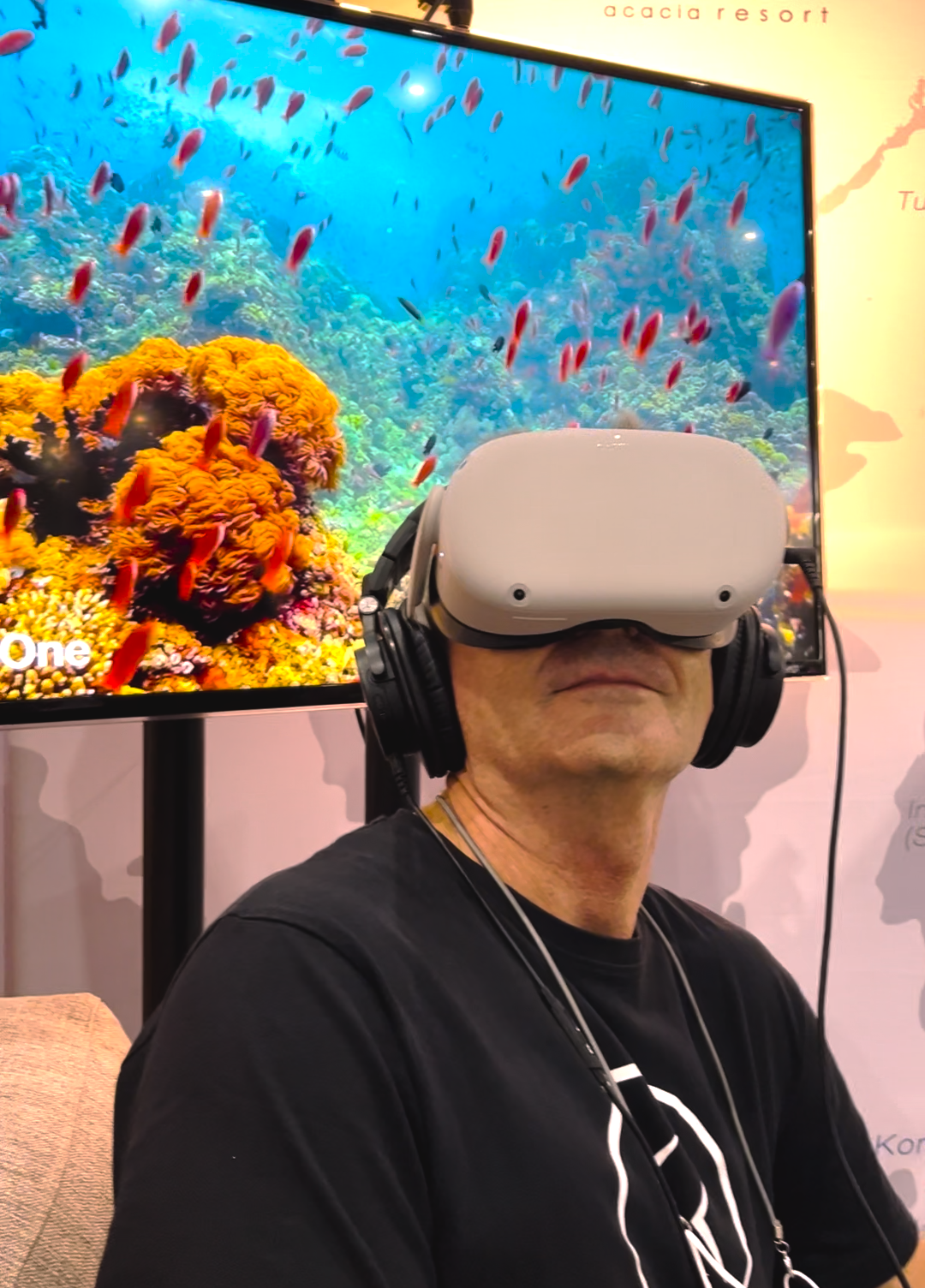
The production was a triumph. The product was unlike anything the dive industry had ever seen. When we took the experience to a major trade show, the booth was overwhelmed. People were amazed by the clarity and the feeling of presence. It was there that I met my second customer: a luxury dive resort looking to differentiate their experience on the global stage.
Immersive Blue had finally found its current. The mission was finally reaching the world.